Termites
Termite Identification & Prevention
Frequently Asked Questions About Termites
What Are Termites?
Termites are small, soft-bodied insects that live in colonies and feed on dead plant material like wood. They have been around since the time of the dinosaurs, making them one of the oldest living organisms on the planet. Termites are also incredibly abundant, and there are more than 1,000 pounds of termites for every human on Earth. Their colonies consist of as many as several million individuals, and they can cause considerable damage to wooden structures.
Are Termites Dangerous?
Though many types of spiders are harmless, some species may be dangerous. All types of spiders can bite humans, and their venom results in a range of issues from minor itching and swelling to nausea, fainting, and fever. The only spiders considered medically dangerous to encounter in our area are the black widow and the brown recluse spider, and bites from these species should be met with medical attention.
It’s also important to note that all spiders have the potential for triggering allergic reactions. If you have any difficulty breathing or swallowing after receiving a spider bite, seek immediate medical attention.
Why Do I Have a Termite Problem?
Spiders are typically attracted to properties that have lots of pest prey for them to feed on, excess moisture, and dark, secluded, or cluttered areas either indoors or outdoors to hide in. If you are noticing more spiders on your property, one of the most effective ways to get rid of spiders is to eliminate factors that might be attractive to them.
Where Will I Find Termites?
You will most likely find termites in the moist, dark areas of your home, like basements and crawlspaces. Because they need a source of moisture to survive, they tend to congregate near plumbing and water sources. Additionally, termites may build their colonies in wood structures such as decks or porch steps.
Keep an eye out for signs of termite activity. Winged termites, mud tubes, damaged wood, and piles of sawdust are all indicators that you may have active termites in your home. If you suspect an infestation has occurred, contact Arab Termite and Pest Control of Cincinnati, Inc. right away for termite treatment services. We’re here to keep your home safe from damage.
How Do I Get Rid of Termites?
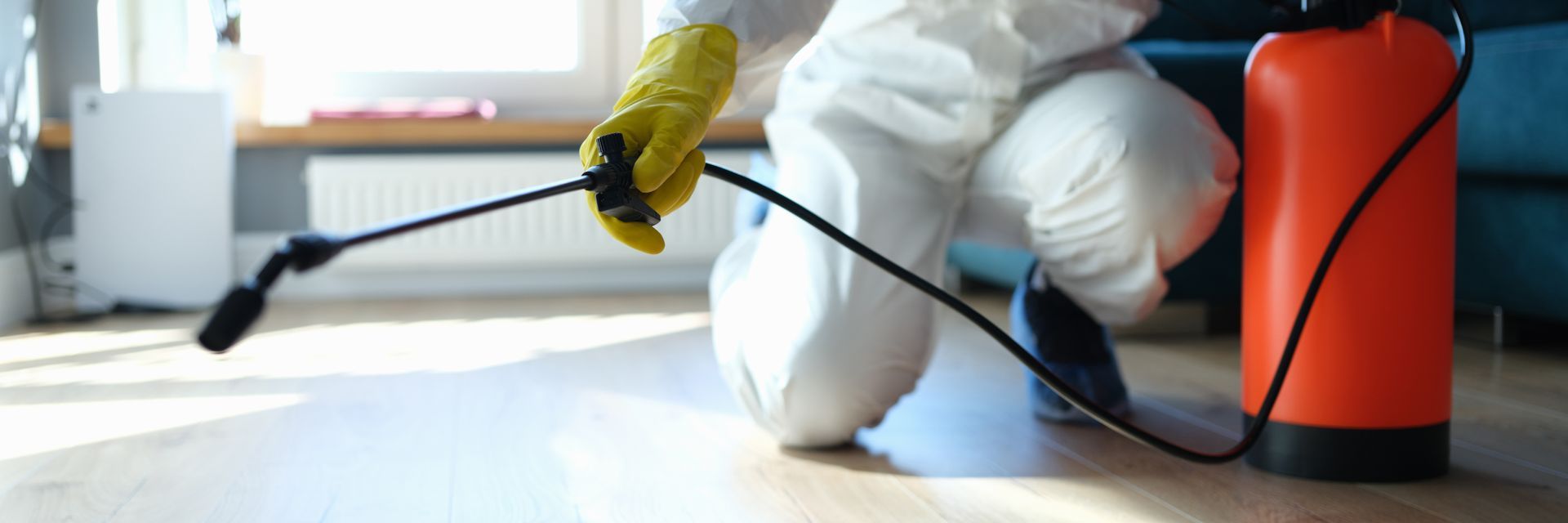
The best way to get rid of termites is to contact a professional pest control company like Arab Termite and Pest Control of Cincinnati, Inc. Our team of certified experts can provide you with insight into the type of termite infestation you have and suggest an effective termite treatment plan to help you get rid of these pests once and for all.
We use the Sentricon® System, a scientifically proven method of bait-and-monitor termite control that eliminates the entire colony. This system is safe for your family, pets, and the environment while still getting rid of the invading pests. With our team of experienced technicians and access to the latest technology, you can trust Arab Termite and Pest Control of Cincinnati, Inc. with your termite needs.
How Can I Prevent Termites in the Future?
The best way to prevent a termite problem is to reduce the conditions that make your home attractive to termites. Here are several steps you can take:
- Keep firewood, lumber, or other cellulose-based material away from your home and foundation.
- Seal any cracks or crevices around windows, walls, and doorframes.
- Repair any leaky plumbing fixtures that may be providing termites with extra moisture.
- Regularly inspect for signs of termites, such as mud tubes or damaged wood.
- Check for excess humidity levels in crawl spaces or basements and fix any ventilation problems you find there.
Taking these precautions can help keep your home safe from termite damage; however, if you suspect a problem, don't hesitate to contact a professional pest control team like Arab Termite and Pest Control of Cincinnati, Inc., right away so we can quickly eradicate the issue before it becomes worse! We are here to help you keep your home protected from these damaging pests.